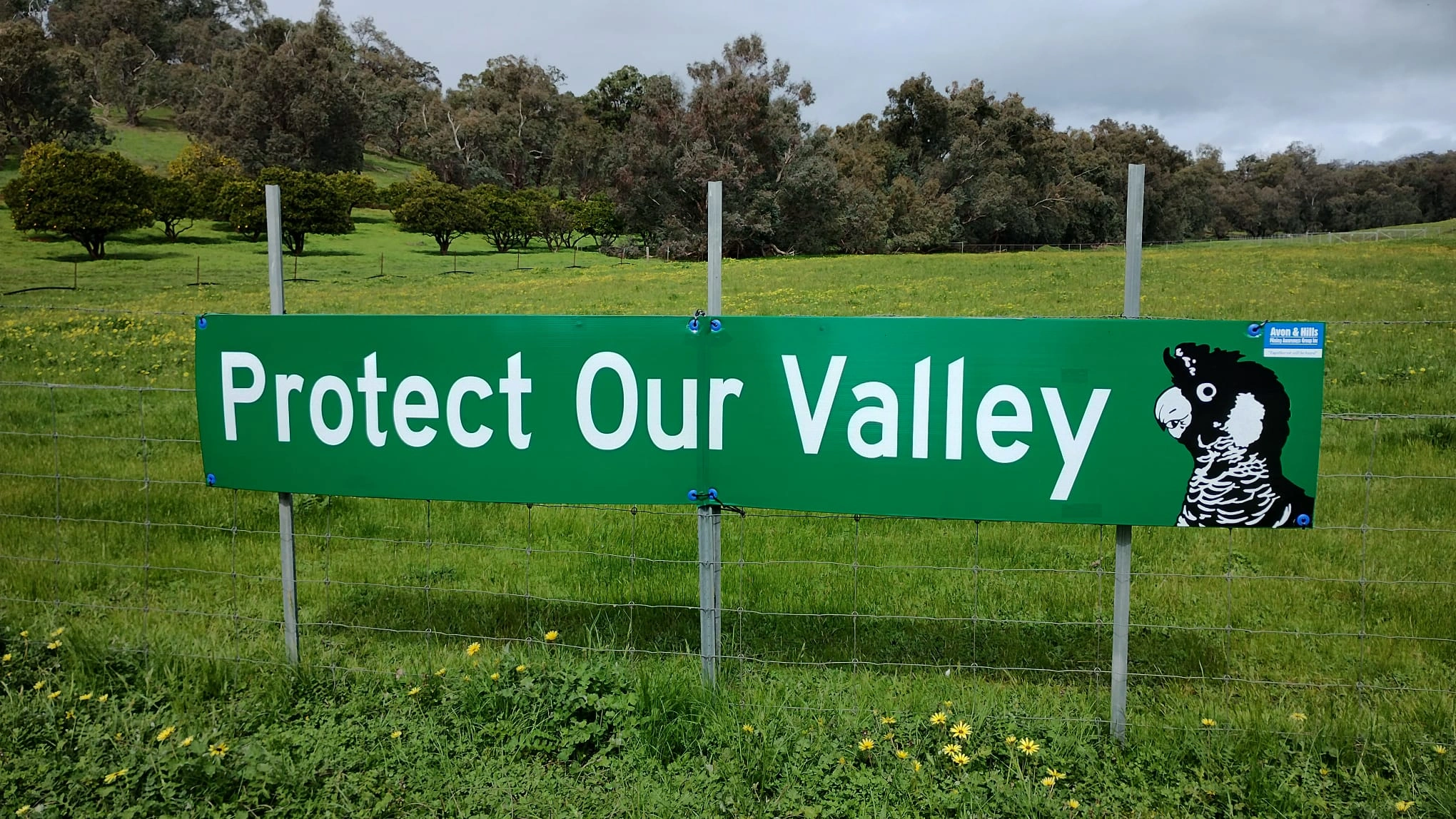
What is Gonneville?
Chalice Mining’s proposed Gonneville Project is much more than a mine site. The proposal includes the mine and processing operations together with major off-site infrastructure required to support it.
This website brings together information about the proposal, its potential impacts on communities and the environment, the approvals process, and the documents behind the claims.
Our message is simple: Wrong project. Wrong place.
Why This Matters.
Gonneville is not just about what happens inside a mine boundary.
The proposal and its associated infrastructure have the potential to affect communities, properties, waterways, native vegetation, wildlife habitat, roads and the character of the places surrounding it.
We believe those impacts must be considered together — not piece by piece.
Assess the whole footprint.
What can you do?
Stay informed. Read the evidence. Ask questions. Take part in public consultation and make submissions when opportunities open.
An informed community has a voice.
Questions people are asking
The Gonneville proposal is complex, and important details can be difficult to find. Here we answer some of the most common questions using project documents, government information and other primary sources.
Gonneville is a proposed nickel-copper-PGE mining development approximately 70 km north-east of Perth. The proposal includes an open pit and/or underground mine, processing and other mine infrastructure, as well as off-site infrastructure for water and power. The proposed open pit mine adjoins Julimar Forest.
No. Gonneville is still undergoing environmental assessment and has a long way to go before any sort of approval. The WA EPA requires a Public Environmental Review, including an eight-week public review period, and the Commonwealth has determined that the mine development requires thorough assessment and approval under the EPBC Act
Because the potential impacts are not confined to the mine pit. The EPA has identified potential significant effects involving air quality, flora and vegetation, terrestrial fauna, inland waters and social surroundings. Community concerns also include the proximity of proposed infrastructure to homes and semi-rural residential areas, property impacts, traffic, noise, dust and cumulative impacts across the whole proposal.
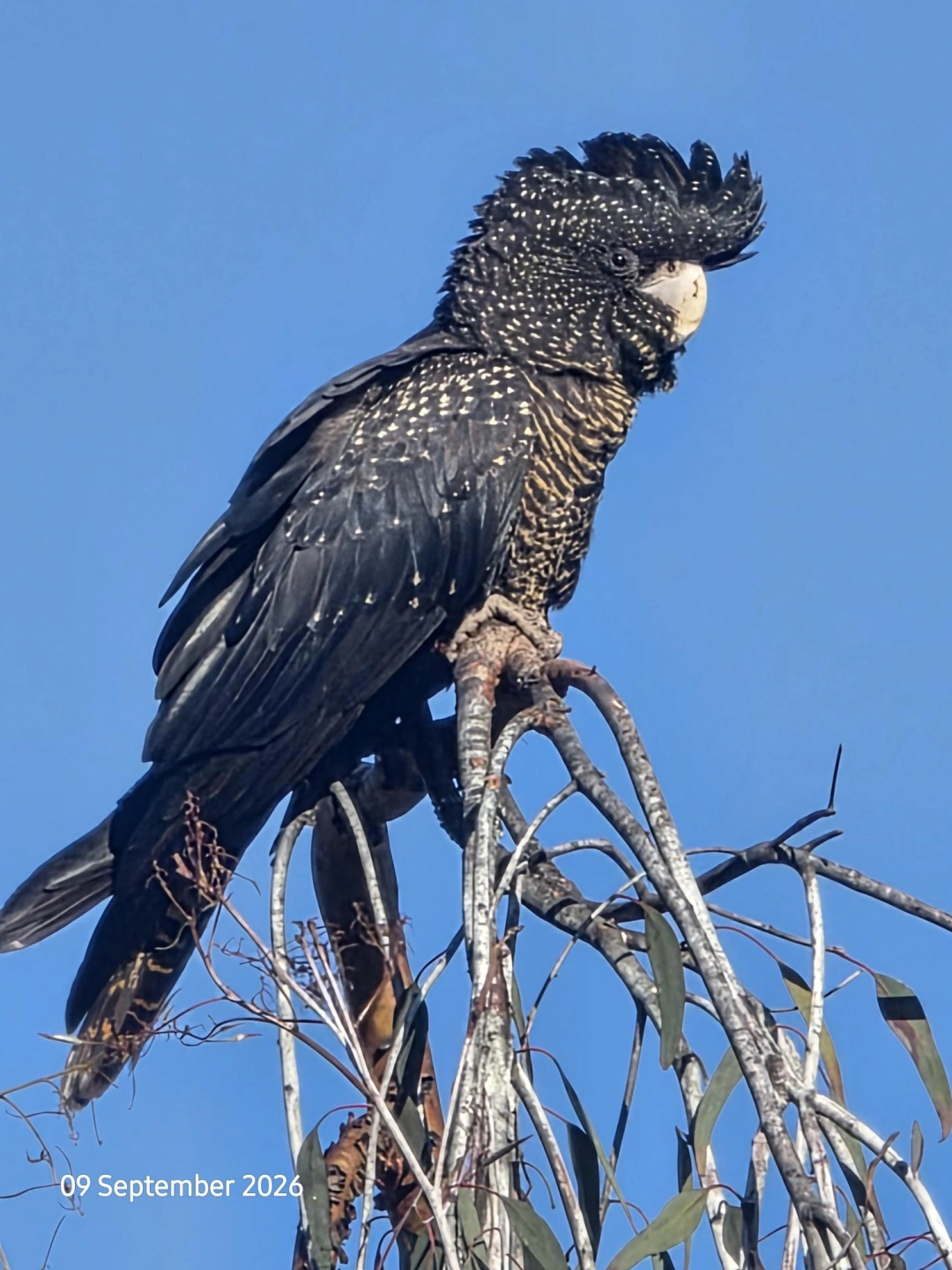
Gonneville requires substantial infrastructure outside the mine site. Chalice currently proposes an approximately 27 km, 132 kV dual-circuit power connection with future proofing capabilities mentioned, to Muchea and an approximately 63 km pipeline carrying treated recycled water from Alkimos. A preferred corridor has been identified with part of it cutting through private landowners properties and protected habitat which includes active Black Cockatoo breeding hollows and also cuts through several working farms.
That question has not yet been satisfactorily answered in the publicly available material. Chalice says its preferred route was selected using engineering information, environmental surveys and landholder feedback, but that does not by itself explain why particular alternatives using existing disturbed or infrastructure corridors were rejected. That is one of the questions this website will continue to investigate
Yes, potentially. The Commonwealth determined the mine development to be a controlled action partly because of potential impacts on listed threatened species and ecological communities and listed migratory species. The WA EPA has also identified terrestrial fauna and habitat clearing or modification as issues requiring assessment.
Potentially, yes. The EPA specifically identified inland waters as a preliminary key environmental factor, including potential changes to hydrological processes. The environmental assessment must examine those impacts before a final decision is made.
The WA assessment requires an eight-week public review of the Environmental Review Document. The project has not reached final environmental approval, so the public assessment process is not over.
Not publicly.
Chalice's current public information says transportation corridors are still being designed, with road and/or existing rail options being considered. The EPA proposal documents also do not identify a final product haulage route.
However, information about potential transport routes has been discussed with some government and local-government stakeholders while the wider community has not yet been given a definitive public route.
That matters because the eventual route could affect communities well beyond the mine site through heavy-vehicle movements, road safety, noise, dust, intersections, bridges and local road capacity.
Until a route, expected vehicle numbers, vehicle types and operating hours are publicly disclosed, communities along potential routes cannot fully assess how Gonneville could affect them.
The question remains: if potential routes are sufficiently developed to discuss with stakeholders, when will the same information be released to the communities that may be affected?
What's at stake?
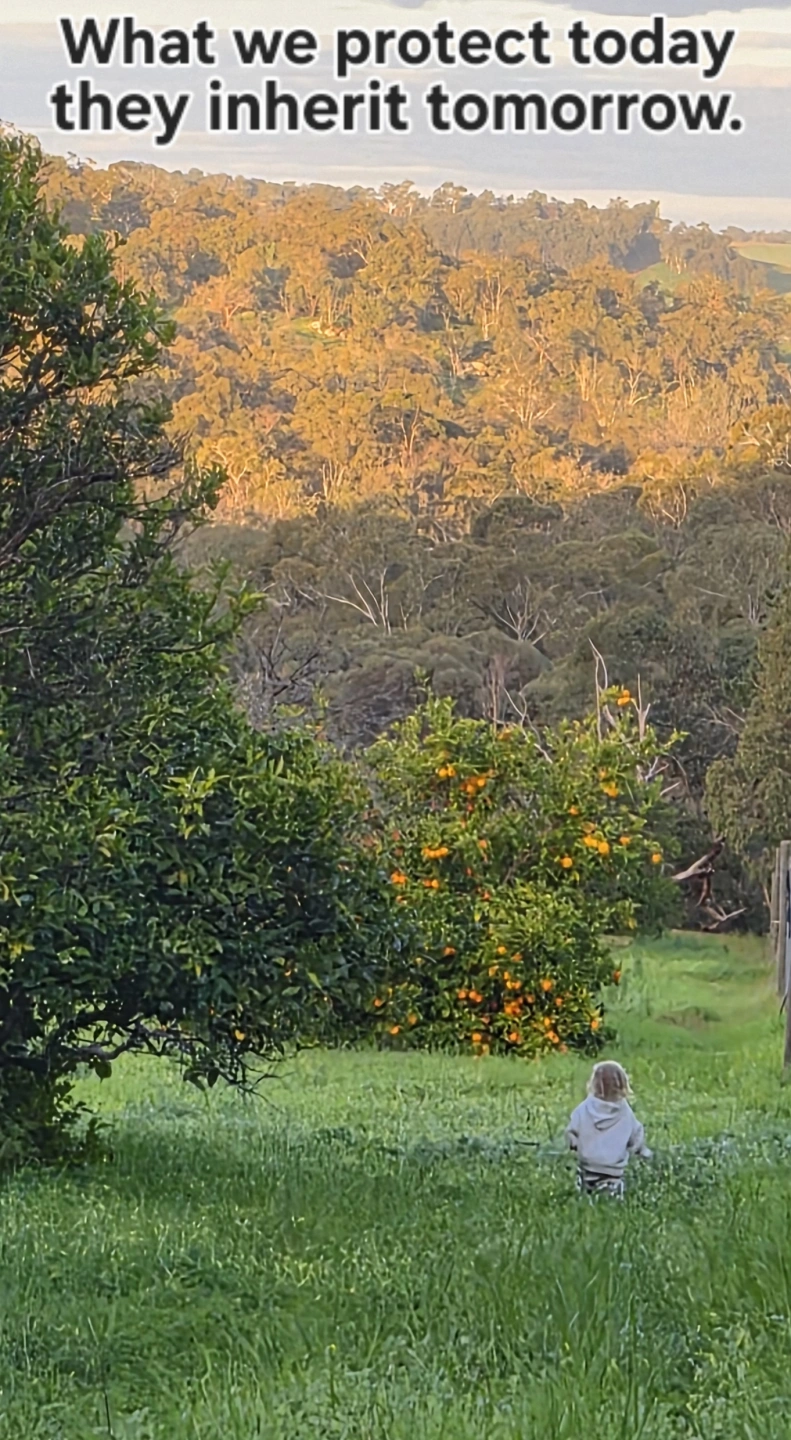
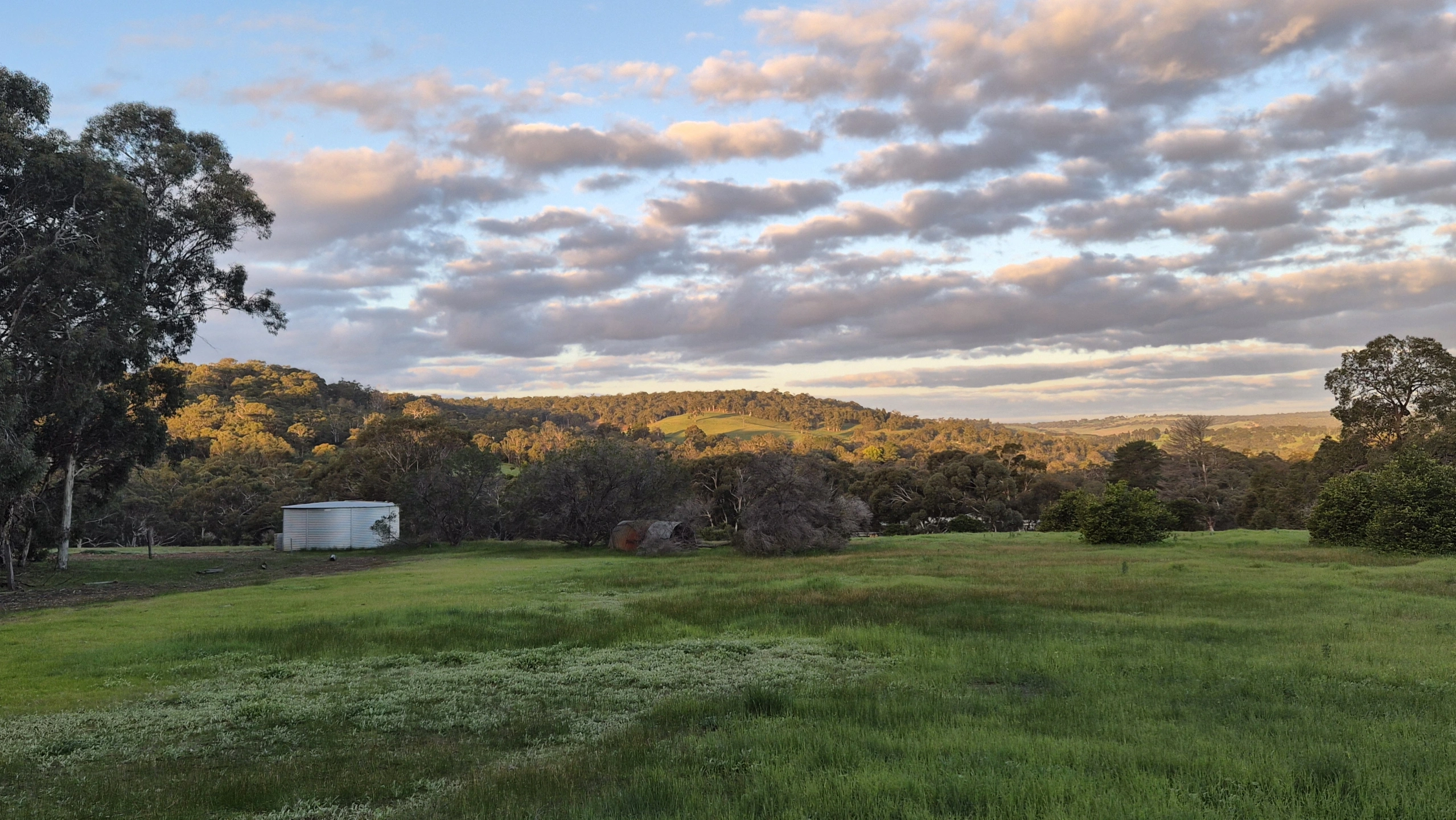
Homes and Communities
Gonneville’s impacts extend beyond the mine site. Homes, properties and communities will be affected by associated infrastructure, traffic, noise, dust and changes to the places people live.
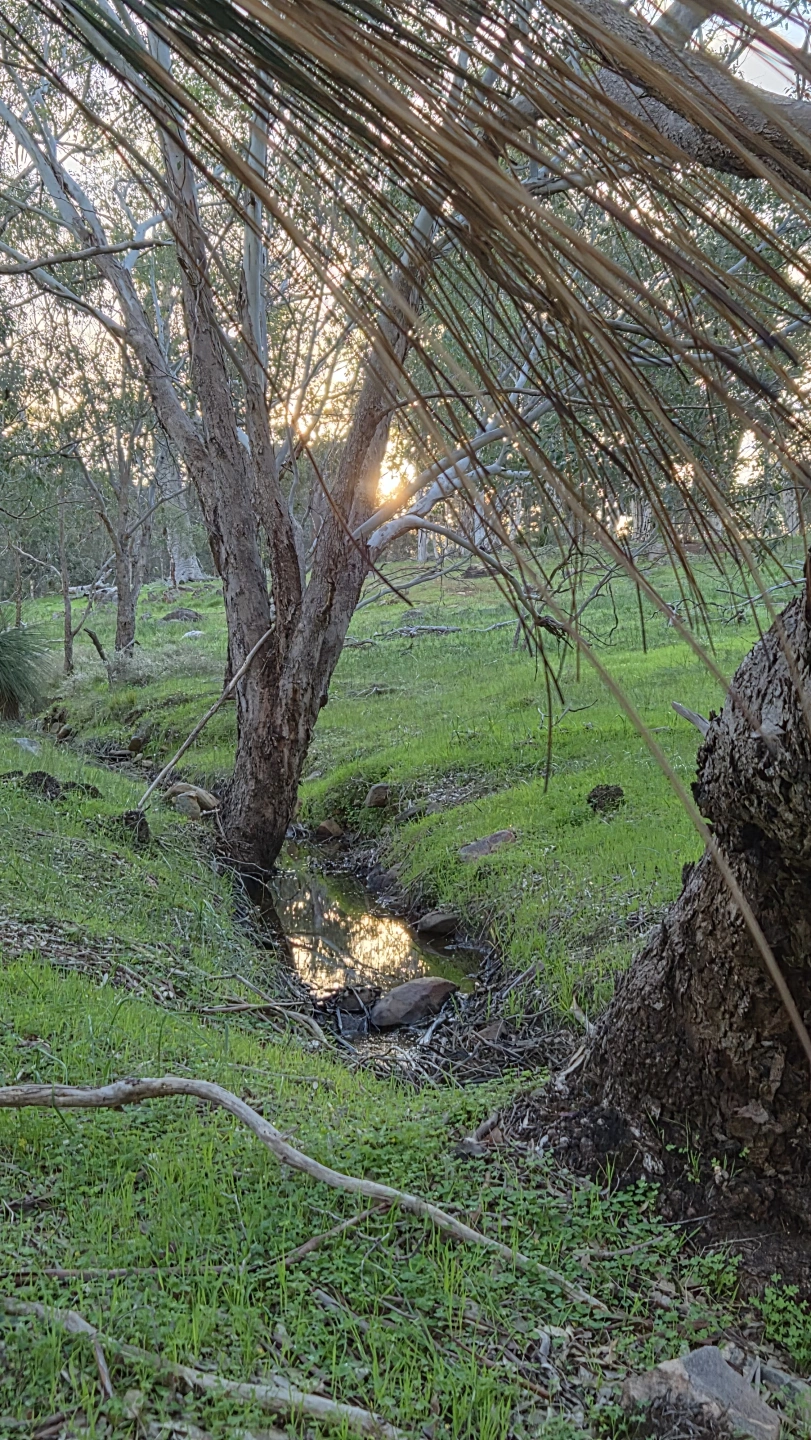
Waterways and Wetlands
Waterways connect landscapes and communities. Changes to drainage, water quality and catchments can carry impacts well beyond the project footprint.
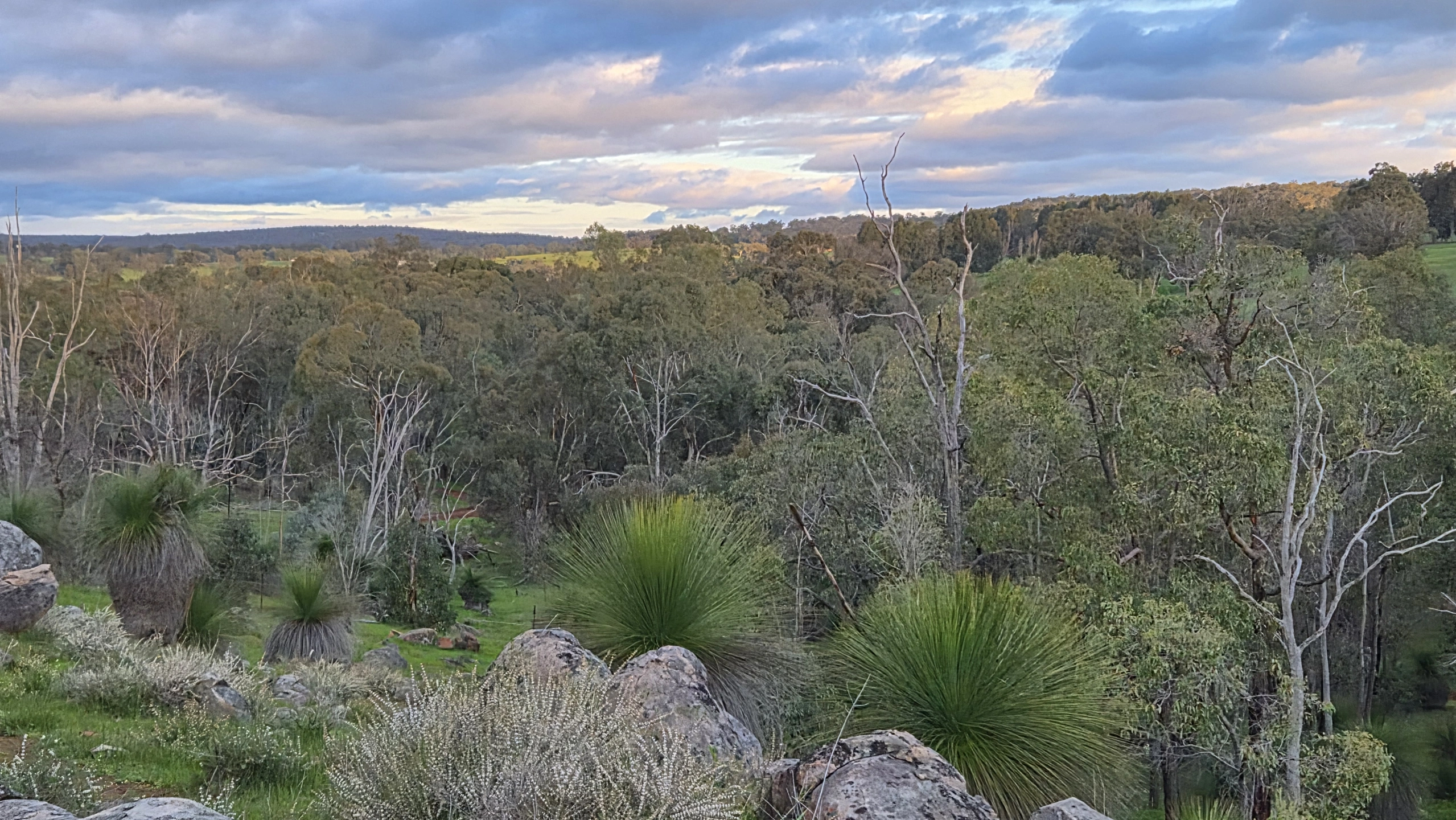
Landscape and Heritage History
These landscapes have environmental, cultural and community value. Development can permanently alter scenic character, natural areas and places that help define the Chittering Valley.
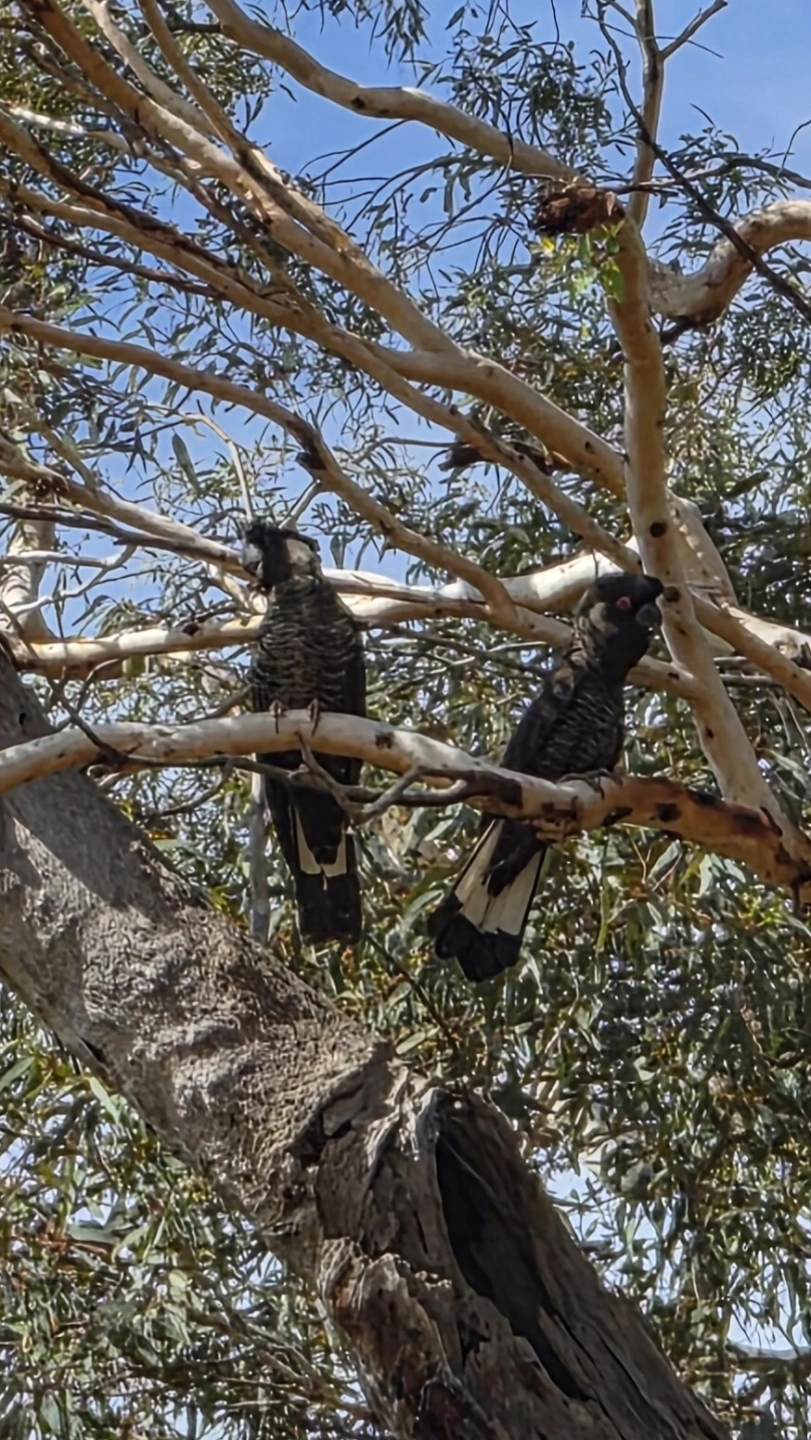
Wildlife and Habitat
Native vegetation provides vital breeding, feeding and movement habitat. Clearing and fragmentation can threaten the ecological connections wildlife depends on.
WRONG PROJECT. WRONG PLACE.
Why should an existing community be retrofitted to accommodate the industrial infrastructure needs of a mine?